Houseplants
Houseplants make us feel better. However, there are also some that are known to trigger an allergy.
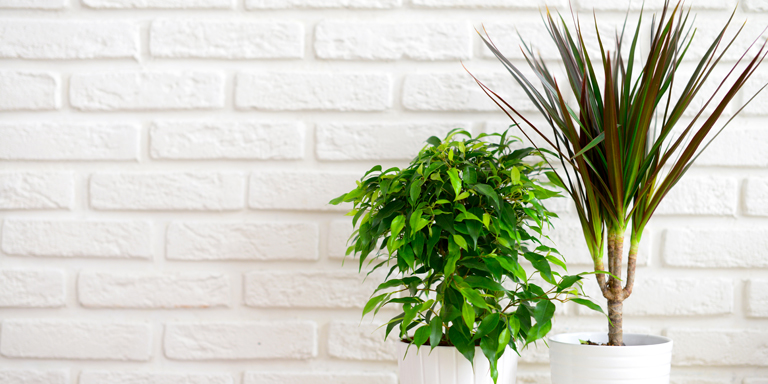
Table of contents:
Triggers
Houseplants release little to no pollen, and any pollen released spreads poorly through the air.
Symptoms are usually caused by:
- direct contact with sap or leaves, leading to skin irritation;
- pungent fragrances that irritate the airways;
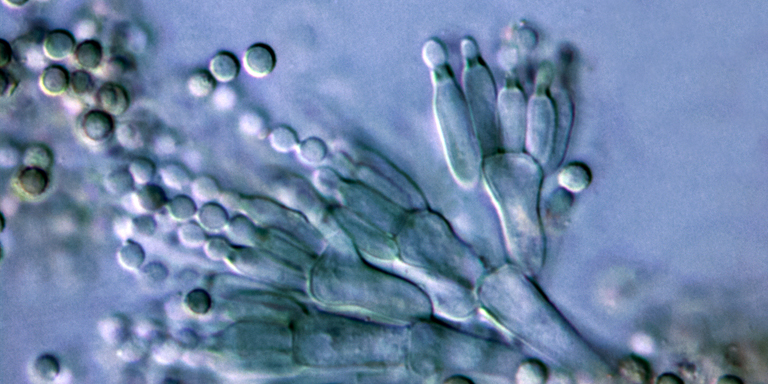
- mould in the potting soil or on the leaves.
In rare cases, some people develop respiratory or skin allergies to Ficus species. The plant sap contains proteins similar to those found in natural latex.
Symptoms
Symptoms depend on the type of exposure:
- After skin contact: redness, itching or small blisters on the hands, face or forearms.
- After exposure to pungent fragrances: coughing, breathing difficulties, irritation of the nose or eyes.
-
In respiratory allergies (e.g. to Ficus or mould in the soil): blocked or runny nose, watery eyes, coughing, shortness of breath (asthma).
Diagnosis
If symptoms persist or recur, a medical check is advisable. Diagnosis is based on:
- Medical history: which plants, which situations, which reactions?
-
Skin tests (prick tests) or blood tests (IgE) performed by a physician or allergy specialist if a true allergy is suspected.
Treatment
Avoiding allergens
- If an allergy is confirmed: remove the plant or eliminate mould.
- In case of skin irritation: avoid direct contact with the plant. Wear gloves and wash hands thoroughly to reduce the risk.
- In case of airway irritation: ventilate the room, remove or keep the plant at a distance
Drug treatment
- Skin reactions: topical anti-inflammatory corticosteroid creams.
- Allergic symptoms affecting the nose or eyes: antihistamines and topical corticosteroids.
- Asthma: bronchodilators and/or inhaled corticosteroids as prescribed by a physician.
Tips and advice
- Choose plants that produce little pollen, do not have a pungent fragrance and do not contain irritating latex.
- Clean leaves regularly to reduce dust and mites.
- Avoid waterlogging to prevent mould growth.
- Do not keep plants in the bedroom if you have asthma or respiratory allergies, e.g. to house dust mites.
- Avoid bouquets made with plants in the daisy family (chrysanthemums, daisies, gerberas) and grasses: even small amounts of pollen can trigger symptoms indoors.
Frequently asked questions
Unlikely. Most houseplants release very little pollen, and it spreads poorly indoors. Symptoms are usually caused by skin contact, fragrances or mould – not by pollen.
Typical signs include redness, itching or small blisters after skin contact. Fragrance or mould-related irritation may cause coughing, breathing difficulties, eye irritation or a runny nose.
In cases of recurring symptoms, a physician or allergy specialist will take a detailed medical history and, if necessary, perform prick tests or IgE blood tests.
Avoid any further contact, wash your hands and ventilate the room. If an allergy is confirmed, remove the plant. For more severe symptoms, doctor-recommended medication such as antihistamines or corticosteroids may help.
Editors: aha! Swiss Allergy Centre in co-operation with the Scientific Advisory Board.
Last update of website content: January 26, 2026
Table of contents:
Free consultation
for affected persons & relatives